

Townhouse Renovation: A Complete Guide to Upgrading Your Urban Home
A townhouse renovation is one of the most effective ways to modernize your home, increase property value, and make better use of limited space—especially in dense urban areas. Whether you're updating finishes, improving layout flow, or maximizing vertical space, renovating a townhouse comes with unique opportunities and challenges.
This guide walks you through everything you need to know before starting your townhouse renovation project.
What Is a Townhouse Renovation?
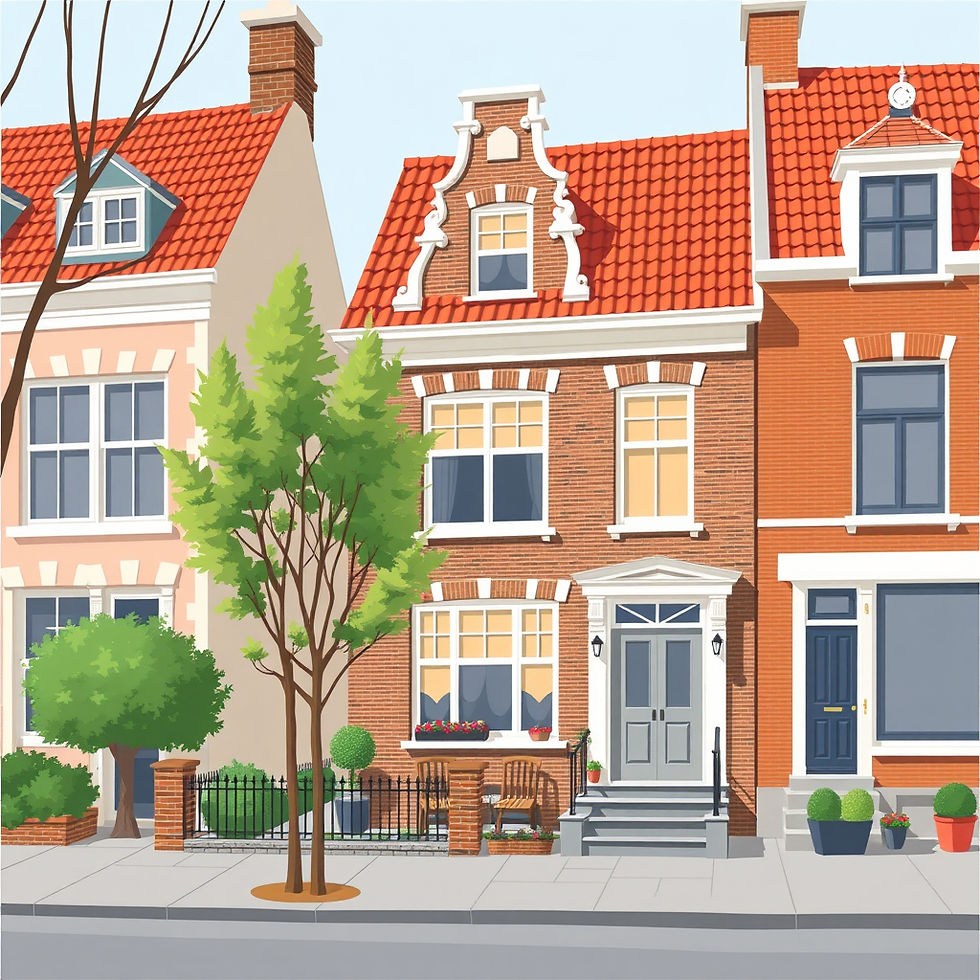
A townhouse renovation focuses on improving or updating an attached home, typically sharing one or two walls with neighboring properties. These homes often have narrow footprints, multiple levels, and specific structural or zoning constraints.
Common Townhouse Renovation Projects:
Kitchen and bathroom upgrades
Interior layout improvements
Basement finishing or conversion
Attic or loft renovations
Flooring, lighting, and paint updates
Outdoor space upgrades (patios, rooftop decks)
Storage optimization and built-ins
Because of their compact design, townhouse renovations often focus on efficiency, storage, and smart space planning.
Unique Challenges of Townhouse Renovations
Renovating a townhouse is different from renovating a detached home. Here’s what to consider:
1. Shared Walls (Party Walls)
Since townhouses are attached, structural changes may be limited. Soundproofing and coordination with neighbors can also become important.
2. Limited Access
Construction access is often restricted—especially in urban settings. This can impact labor costs and timelines.
3. Vertical Layouts
Townhouses typically have multiple floors, which makes stair placement, flow, and usability key design considerations.
4. Natural Light Constraints
Narrow layouts can limit natural light. Renovations often include strategies to bring more light into the space.
5. HOA or Zoning Restrictions
Some townhouse communities have homeowners associations (HOAs) or local regulations that limit exterior changes.
Smart Design Strategies for Townhouse Renovation
Maximize Vertical Space
Use taller cabinetry, built-ins, and creative storage solutions to make the most of limited square footage.
Open Up the Layout
Where possible, removing non-structural walls can create a more open and connected living space.
Improve Natural Light
Consider:
Larger windows (if permitted)
Glass doors
Light-colored finishes
Strategic lighting design
Multi-Functional Spaces
Design rooms that serve more than one purpose—like a guest room that doubles as a home office.
Optimize Storage
Built-in shelving, under-stair storage, and custom closets are essential in townhouse design.
The Townhouse Renovation Process
1. Define Your Goals
Identify what you want to improve—space, aesthetics, functionality, or all three.
2. Evaluate Structural Constraints
Before making layout changes, understand what walls are load-bearing and what modifications are possible.
3. Design & Planning
A well-thought-out design is critical in townhouses due to limited space. This phase may include:
Space planning
Storage solutions
Material selections
4. Permits & Approvals
Depending on your location, you may need:
Building permits
HOA approvals
Neighbor notifications (in some cases)
5. Construction
Due to access limitations, construction may take longer than expected. Coordination is key.
6. Final Walkthrough
Ensure all work is completed properly and meets your expectations.
How Much Does a Townhouse Renovation Cost?
Costs can vary depending on the age, size, and condition of the townhouse.
Typical Cost Ranges:
Kitchen Renovation: $20,000 – $60,000+
Bathroom Renovation: $10,000 – $35,000+
Full Townhouse Renovation: $75,000 – $200,000+
Factors That Affect Cost:
Accessibility and logistics
Structural limitations
Quality of materials
Labor costs in urban areas
Scope of the renovation
Because townhouses often require more coordination, planning ahead is especially important to stay within budget.
Choosing the Right Team for a Townhouse Renovation
Townhouse projects require careful coordination and experience.
Look for Professionals Who:
Have experience with attached homes
Understand urban permitting and zoning
Can maximize small or narrow spaces
Communicate clearly and consistently
Pro Tip:
Working with a design-focused team can help you unlock creative solutions that make your townhouse feel larger and more functional.
Common Mistakes to Avoid
Ignoring structural limitations
Underestimating access challenges
Not planning enough storage
Overlooking lighting design
Skipping HOA or permit requirements
Making changes during construction
In townhouse renovations, planning is everything.
Is a Townhouse Renovation Worth It?
If you like your location but your space feels outdated or inefficient, a townhouse renovation is often a smart investment.
It allows you to:
Modernize your home
Improve functionality
Increase property value
Make better use of limited space
Final Thoughts
A townhouse renovation requires a thoughtful approach, but the results can be transformative. With smart design strategies and proper planning, even small or narrow spaces can feel open, functional, and modern.
Start Your Townhouse Renovation
Before starting your project, it’s important to have a clear design plan tailored to your home’s constraints and opportunities.
If you’re ready to explore your options, you can get started here:👉 https://www.fablarchitecture.com/start-your-project
Disclaimer: Townhouse renovation requirements vary by location. Always verify local building codes, HOA guidelines, and permit requirements before beginning your project.


