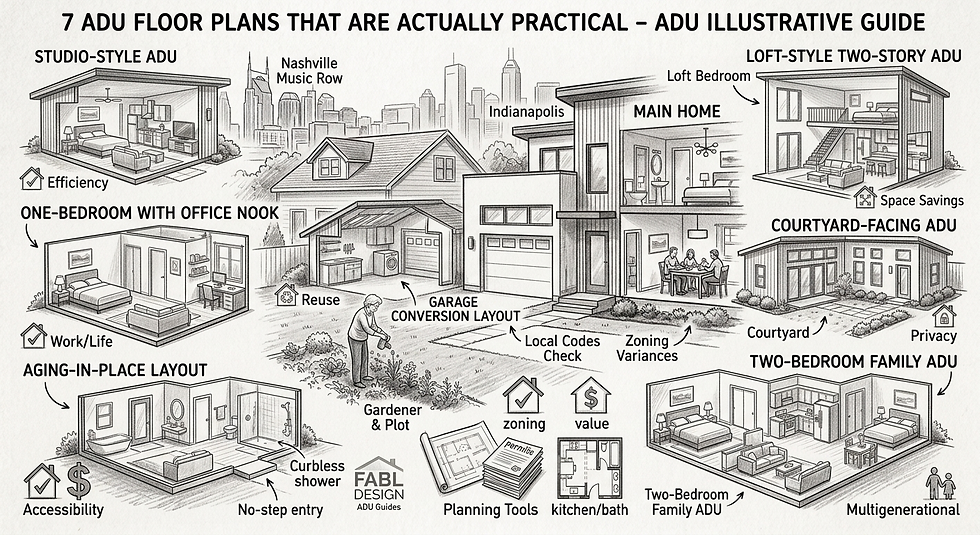
The Role of Professional Services in Property Design
Property design is more than just creating beautiful spaces; it involves planning, functionality, sustainability, and more. Professional services play a crucial role in helping shape our living and working environments. This blog post will explore how these specialized services contribute to effective property design and why they are essential for successful projects.
Understanding Professional Design
Professional design in properties refers to the expertise provided by architects, planners, and designers. These professionals collaborate to create spaces that are functional, aesthetically pleasing, and sustainable. Their process often includes understanding the client’s vision, evaluating the site, and adhering to zoning laws and building codes.
For instance, architects conduct feasibility studies to assess the viability of a design in a specific location. They consider factors like climate, geography, and community needs, which ultimately shape the final design. According to a report by the American Institute of Architects, projects with architect involvement often see a 30% increase in overall satisfaction from clients.

Professional design services help to ensure that all aspects of a property, from the interior layout to the exterior landscape, are harmoniously integrated. This holistic approach creates balanced environments where users can thrive, making it essential to involve these experts early in the property development process.
The Importance of Collaboration
Collaboration is key in professional property design. Whether it is architects working with engineers or designers partnering with landscape specialists, each contributes unique expertise to the project. This cross-disciplinary approach can lead to more innovative solutions that traditional design methods might miss.
For example, when designing a mixed-use development, architects need to collaborate with urban planners to ensure that the space meets local needs while adhering to regulations. Engineers must also ensure that the designs are structurally sound and feasible. A successful collaboration can reduce project timelines and overall costs, making it a win-win for everyone involved.

Involving multiple experts at the beginning stages leads to more comprehensive decision-making. This collaboration reduces misunderstandings and costly revisions later, resulting in a smoother design process.
Incorporating Technology in Design
Advancements in technology have transformed property design significantly. Professional services now utilize tools such as Building Information Modeling (BIM), virtual reality (VR), and computer-aided design (CAD) to enhance the design experience. These technologies allow professionals to visualize and simulate designs before construction begins.
BIM, for instance, enables architects to create 3D models that showcase every aspect of a project, from structural elements to electrical layouts. This detailed imagery allows clients to understand designs better, providing them with an opportunity to give feedback before the project goes to construction.
Moreover, using VR technology can enable clients to virtually walk through their property designs, assessing flow and functionality in real-time. According to industry trends, properties designed with advanced technology often have less than a 5% change during construction, as designs are thoroughly vetted beforehand.

The use of technology in professional design not only speeds up decision-making but also enhances creativity. It provides tools that can inspire new ideas while fostering collaboration among team members.
Sustainability in Property Design
In today's world, sustainability has become a critical element in property design. Professional services play an essential role in creating eco-friendly properties that benefit both the environment and local communities. The increasing demand for sustainable designs has led to many innovative practices.
Architects and designers now incorporate renewable energy solutions, like solar panels, efficient insulation, and sustainable materials into their plans. Furthermore, they consider the conservation of natural resources and promote green spaces within urban environments. According to the U.S. Green Building Council, buildings that adhere to sustainable practices can reduce energy consumption by up to 30%, which significantly lowers utility bills for residents.
By integrating sustainable design practices, professional services can create properties that are not just visually appealing but also socially responsible. Engaging them early ensures that sustainability is a priority from the initial design to construction.
The Value of Expert Services
Investing in professional services for property design can yield valuable returns. From increased property value to enhanced user experience, the more money spent on quality design often pays off in the long run. For example, homes designed with professional input tend to sell for higher prices on the market, as buyers recognize the value of thoughtful design.
Additionally, the involvement of experienced professionals minimizes risks related to structural and legal issues, saving clients time and money in the future. Engaging services like fabl design ensures that projects meet industry standards, which can protect investments.
Ultimately, professional services bring a wealth of knowledge, experience, and innovative thinking to property design. When stakeholders are willing to prioritize expert involvement, the outcome is a more successful and satisfying project.
The Future of Professional Services in Property Design
As property design evolves, the role of professional services will continue to expand. The industry is poised for growth as more clients seek innovative, sustainable solutions that meet their unique needs. By embracing emerging technologies and practices, professionals can offer even greater value.
One emerging trend is the integration of smart technologies into building designs. Concepts like IoT (Internet of Things) can create homes and offices that adapt to their occupants' needs, offering conveniences that enhance quality of life. This kind of forward-thinking approach demands the expertise of professional services, reinforcing their role as vital players in the future of property design.
As we look ahead, it becomes clear that engaging professional design services will remain a cornerstone of successful property development. Their ability to navigate complex regulations, employ sustainable practices, and utilize cutting-edge technology will only become more essential.
Final Thoughts
Engaging professional services in property design is not just a choice; it is a necessity for creating spaces that inspire and endure. From understanding client needs to ensuring sustainability, these experts play a vital role in shaping the places we live and work. By investing in professional design, clients can achieve greater satisfaction, higher property values, and contribute positively to their communities.
As the industry moves forward, staying ahead of trends and employing expert services will be essential for any successful property project. Whether it’s through enhanced collaboration or advanced technology, the role of professional services will continue to evolve, enriching property design for years to come.